Popular Searches:
Displaying top search terms based on the last 90 days.
Popular Searches:
Displaying top search terms based on the last 90 days.


What size trailer do you need for a side-by-side or UTV? It’s one of the most common questions buyers ask when shopping for a trailer, and for good reason. Buying a trailer may seem straightforward at first. Most owners know the dimensions of their machine, find a trailer that’s slightly larger, and assume they’re good to go. Unfortunately, that’s also how many people end up with a trailer they regret purchasing a year or two later.
One of the most common conversations we have with trailer buyers is about sizing. A trailer may technically fit a side-by-side today, but that doesn’t necessarily mean it’s the best long-term choice. Accessories, additional equipment, future upgrades, and changing hauling needs can all impact whether a trailer remains practical over time.
Whether you’re transporting a UTV for hunting, trail riding, farm work, or recreational use, choosing the right trailer size can make loading easier, improve safety on the road, and save money in the long run. Understanding what size trailer you need before you buy can help you avoid costly mistakes and ensure your trailer continues to meet your needs for years to come.
Many buyers focus solely on the length and width of their side-by-side. While those measurements are important, they’re only part of the equation.
A trailer needs enough room to comfortably load, secure, and unload the machine without creating unnecessary headaches. If your side-by-side barely fits between the rails or leaves only a few inches at the front and rear, you’ll quickly discover how frustrating loading can become.
It’s also important to think about what travels with the machine. Spare fuel, coolers, toolboxes, hunting gear, recovery equipment, and camping supplies often take up more space than owners initially expect. What starts as a trailer purchase for one UTV frequently turns into a trailer that needs to haul much more.
That’s why many experienced owners recommend buying slightly larger than your current needs require.
Modern side-by-sides have grown considerably over the years. While smaller recreational models remain popular, many of today’s machines are wider, longer, and heavier than earlier generations.
A compact UTV may measure around 9 to 10 feet long, while larger four-seat models can easily exceed 12 or 13 feet in length. Widths commonly range between 60 and 72 inches, depending on the manufacturer and model.
Machines such as the Polaris RZR, Can-Am Maverick, Honda Pioneer, Yamaha Wolverine, and Kawasaki Teryx all have varying dimensions. Once larger tires, bumpers, winches, roof systems, and storage accessories are added, those dimensions can increase even further.
Because of these differences, there is rarely a one-size-fits-all answer when selecting a trailer.
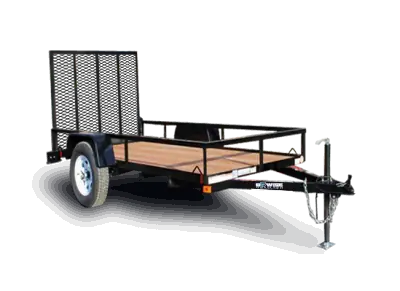
For owners of smaller two-seat UTVs, a 12-foot utility trailer can often provide adequate space. These trailers are commonly chosen because they are relatively easy to tow, simple to store, and generally more affordable than larger models.
A properly sized 12-foot trailer may work well for occasional recreational use, especially when transporting a single machine with minimal gear. However, buyers should be careful not to focus solely on getting the smallest trailer possible.
Many owners who purchase a 12-foot trailer eventually wish they had a little more room once they begin carrying extra equipment or upgrade to a larger side-by-side.
For many UTV owners, a 14-foot trailer provides an excellent balance between maneuverability and versatility.
The additional length creates more space for loading, securing equipment, and carrying accessories without significantly increasing towing difficulty. It also provides flexibility if your needs change in the future.
We often see buyers initially shopping for a 12-foot trailer leave with a 14-foot model after realizing how much easier loading and unloading becomes with a little extra room. That additional space can make a noticeable difference when navigating loading ramps, securing tie-downs, or transporting gear alongside the machine.
For many recreational riders and property owners, a 14-foot utility trailer represents one of the most practical options available.
Larger four-seat side-by-sides have become increasingly popular, and many of them require more trailer than buyers expect.
If you’re hauling a longer machine, carrying significant gear, or frequently transporting multiple items at once, a 16-foot trailer may be the better choice. The extra length provides greater flexibility while reducing the feeling that every inch of trailer space is being utilized.
A larger trailer can also accommodate future purchases. It’s not uncommon for UTV owners to eventually add another ATV, a compact tractor attachment, or additional recreational equipment. Having extra capacity often proves valuable sooner than expected.
While a larger trailer may cost slightly more upfront, many buyers find it prevents them from needing another upgrade later.
Trailer size is only one piece of the puzzle. Weight capacity is equally important.
A trailer may physically fit your side-by-side while still being poorly matched from a weight perspective. Modern UTVs can weigh well over 2,000 pounds before accessories, cargo, fuel, and equipment are added.
This is where many first-time buyers make mistakes. They focus on deck length while overlooking axle ratings, GVWR, suspension components, and overall payload capacity.
Choosing a trailer with sufficient capacity helps improve safety, towing performance, and long-term durability. It also provides peace of mind when transporting valuable equipment over long distances.
Another common question involves choosing between a utility trailer and an equipment trailer.
For many recreational users, a utility trailer provides everything necessary for transporting a side-by-side. They’re versatile, cost-effective, and easy to use for a variety of tasks beyond hauling recreational vehicles.
Equipment trailers may become more attractive when owners regularly transport heavier machines, additional equipment, or larger loads. Their heavier construction and increased capacities often appeal to buyers looking for maximum durability.
The right choice depends largely on how frequently the trailer will be used and what else it may be expected to haul throughout the year. Everyone’s daily needs are different.
One of the most valuable pieces of advice we can offer is to think beyond your current machine. Many buyers arrive focused on fitting the side-by-side they own today. A year or two later, they’ve upgraded to a larger model, added accessories, or purchased additional equipment that no longer fits comfortably on the trailer.
A trailer should be viewed as a long-term investment. Choosing a slightly larger trailer often provides flexibility that becomes extremely valuable as your needs evolve.
Don’t just look for a trailer that gets you through today. You want to invest in something that will still handle your workload three or four years down the road so you don’t have to upgrade all over again.
The best trailer for a side-by-side depends on several factors, including the machine’s dimensions, weight, intended use, and future plans. While many smaller UTVs fit comfortably on a 12-foot trailer, a 14-foot model often provides additional flexibility that owners appreciate over time. Larger four-seat models frequently benefit from a 16-foot trailer or larger.
At Brechbill Trailers, we help customers compare trailer sizes every day. With more than 500 trailers in stock, buyers can see different models in person, compare capacities, and choose a trailer that matches both their current equipment and future needs.
For many owners, a 14-foot utility trailer offers the best combination of space, versatility, and ease of towing. However, the ideal size depends on the specific dimensions of your machine and how you plan to use the trailer.
Many smaller two-seat UTVs can fit comfortably on a 12-foot trailer. Larger models and four-seat side-by-sides may require additional length.
Yes. Utility trailers are one of the most popular choices for transporting side-by-sides and UTVs due to their versatility and affordability.
In many cases, yes. Additional trailer space often becomes useful as owners add accessories, equipment, or upgrade to larger machines in the future.