Popular Searches:
Displaying top search terms based on the last 90 days.
Popular Searches:
Displaying top search terms based on the last 90 days.

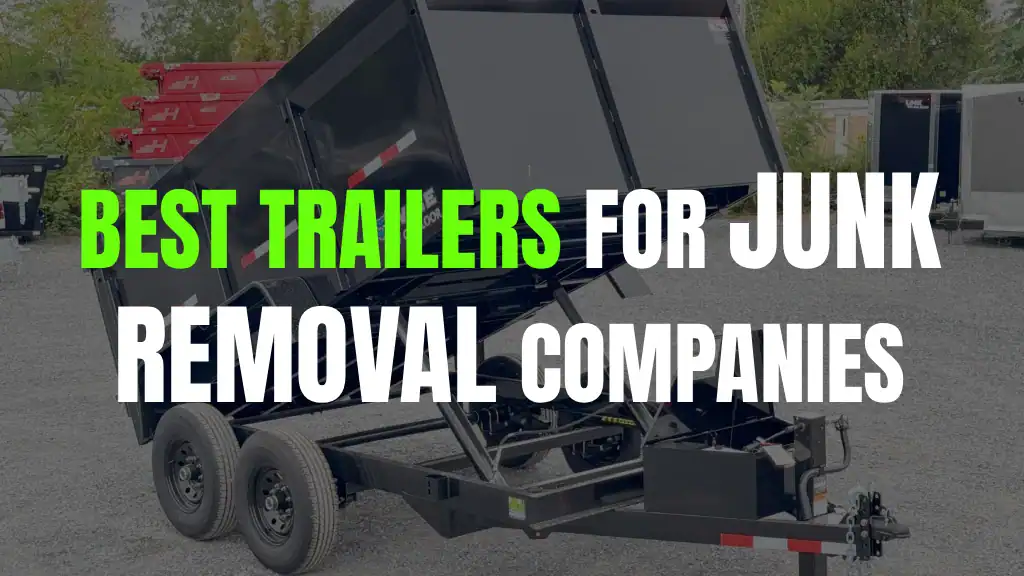
Starting a junk or trash removal company in Pennsylvania can be a smart move! Demand is steady, startup costs are manageable, and the work is straightforward if you have the right equipment. At the heart of your operation will be your trailer. The type you choose will directly affect how efficiently you can load, transport, and unload debris, as well as how professional your business appears to customers.
The “best” trailer depends on your budget, the type of jobs you plan to take, and how you want to position your business. Let’s walk through the main options, their pros and cons, and how they fit into the Pennsylvania market.
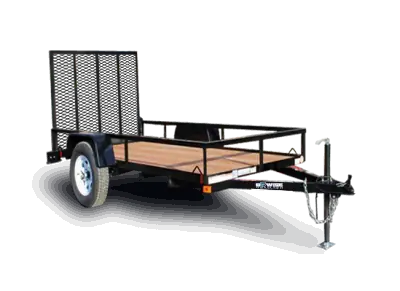
If you’re just getting started and want to keep costs low, an open utility trailer is a versatile choice. These trailers are essentially flatbeds with side rails, making them easy to load with bulky items like furniture, yard waste, or appliances.
Advantages:
Drawbacks:
Best For: Small-scale jobs, yard cleanups, and customers who aren’t concerned about weather exposure.
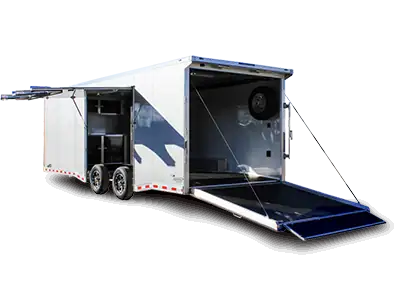
An enclosed cargo trailer offers a fully covered space with lockable doors. This is a great option if you plan to handle donation pickups, electronics recycling, or jobs where protecting the load matters.
Advantages:
Drawbacks:
Best For: Urban and suburban routes where security and appearance matter, or when you want to protect valuable or reusable items.
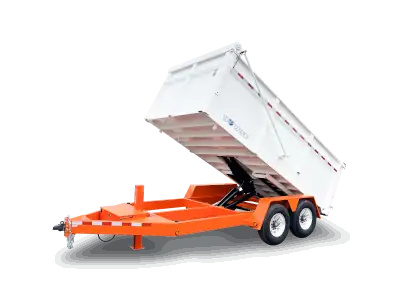
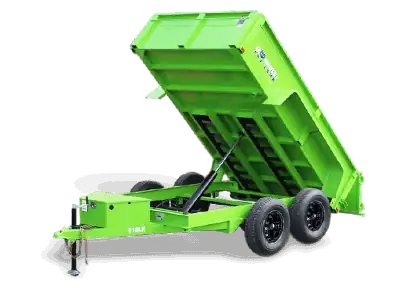
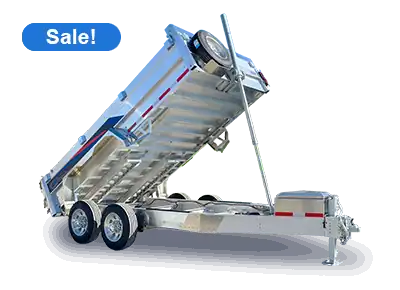
For many trash removal companies, a dump trailer is the gold standard. These trailers use a hydraulic lift to tilt the bed, allowing you to unload quickly at the landfill or transfer station.
Advantages:
Drawbacks:
Best For: Contractors, large-scale cleanouts, and any job where speed and efficiency are top priorities.
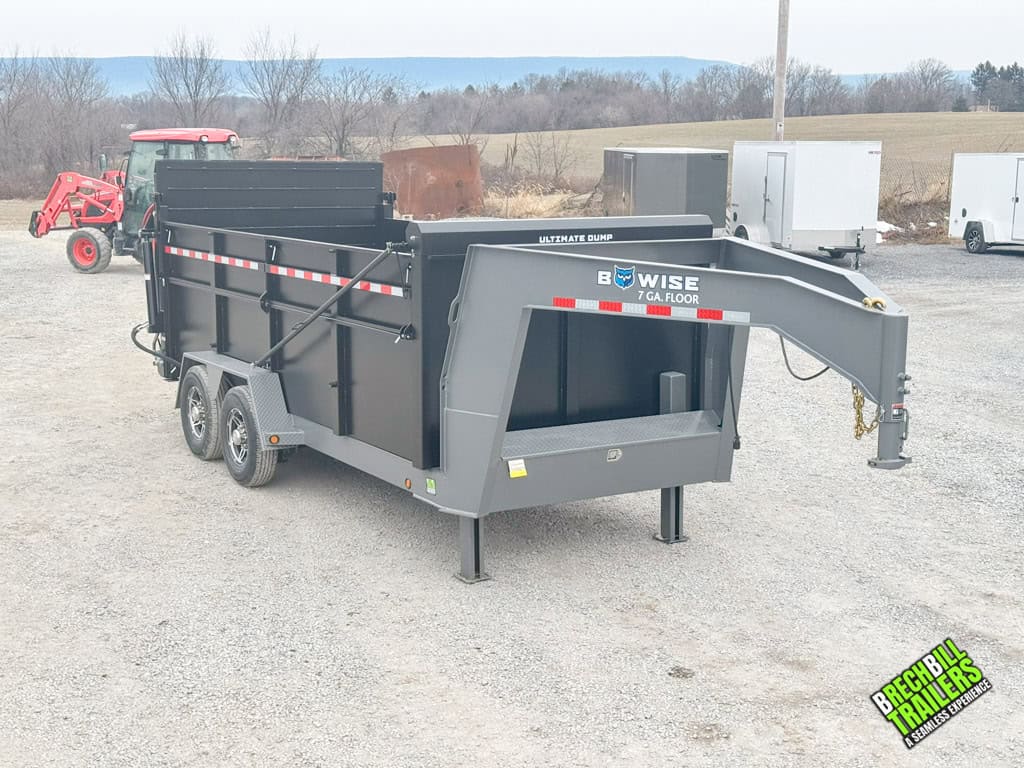
Road Regulations: Pennsylvania law requires loads to be secured and covered to prevent debris from escaping. Open trailers will need tarps and tie-downs, while enclosed and dump trailers make compliance easier.
Terrain and Access: In rural areas with narrow farm lanes or steep driveways, a shorter trailer may be easier to maneuver. In cities like Philadelphia or Pittsburgh, enclosed trailers can help protect loads from theft during quick stops.
Weather: Our state sees everything from heavy snow to summer thunderstorms. If you’ll be working year-round, think about how weather will affect your loads and your workflow.
If you’re starting small and testing the market, an open utility trailer is a low-risk entry point. If you want to project a polished image and handle a variety of jobs, an enclosed cargo trailer is worth the investment. If you’re aiming for high-volume, heavy-duty work from day one, a dump trailer will pay for itself in saved labor and faster turnaround times.
Many successful Pennsylvania trash removal companies eventually own more than one type of trailer, allowing them to match the equipment to the job.
Ready to Get Rolling? If you’re launching a trash removal company in Pennsylvania, the right trailer will set the tone for your business. We can help you compare models, understand local regulations, and choose a setup that fits your budget and growth plans. Contact us today to explore our inventory and get expert advice before you hit the road.
Trailer size depends on the type and volume of debris you typically handle. Start by tracking the average load per job. Open utility trailers are great for small-scale or irregular loads, while dump trailers excel at handling large, heavy debris in one trip. Enclosed cargo trailers are best when load protection or security is a priority. Choosing the right size can save time and fuel while reducing wear on your tow vehicle.
While technically possible with proper hitch setups and commercial licenses, towing multiple trailers is rarely practical for trash removal company in Pennsylvania. Maneuvering through tight urban streets, rural roads, and steep driveways becomes much harder. Most companies find a single, appropriately sized trailer is more efficient and safer.
Regular inspections are crucial. Check tires, brakes, lights, and suspension frequently. For dump trailers, maintain the hydraulic system to prevent leaks or failures. Keep open utility trailers clean and treat rust-prone areas if exposed to moisture. Enclosed trailers benefit from occasional interior cleaning and lubrication of door hinges and locks. Preventative maintenance reduces downtime and repair costs.
Payload capacity is critical. Overloading a trailer can damage axles, tires, and the frame, and may be illegal under Pennsylvania road regulations. Always match your trailer’s payload to your typical loads and your tow vehicle’s towing capacity. This ensures safe operation and longer equipment life.