Popular Searches:
Displaying top search terms based on the last 90 days.
Popular Searches:
Displaying top search terms based on the last 90 days.

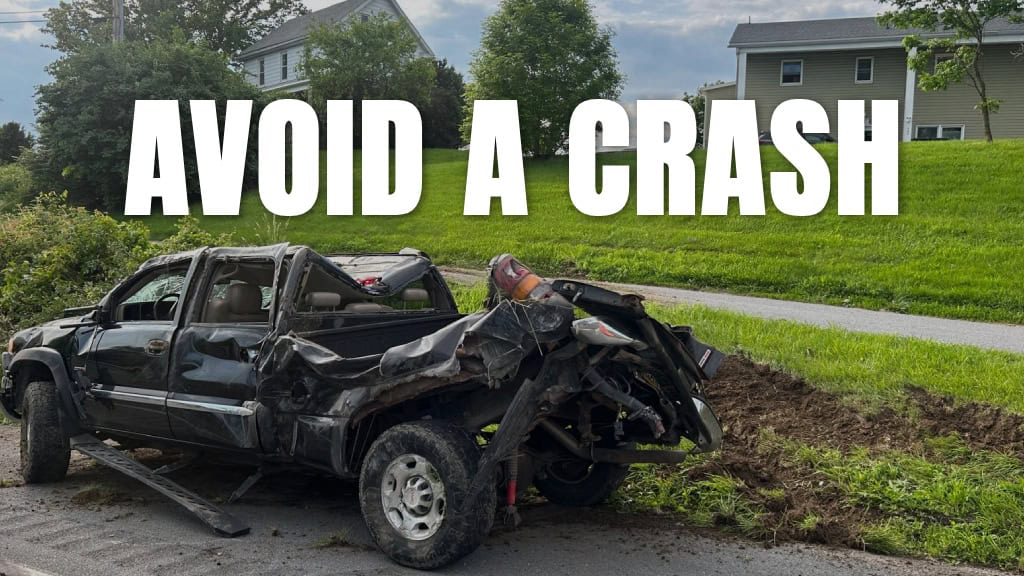
We’ve seen our fair share of trailer mistakes over the years, but this one could’ve turned deadly.
Someone recently shared photos from a serious accident involving a skid loader that was loaded too far to the rear of a trailer. The imbalance caused the trailer to sway violently at highway speeds. The driver lost control, the trailer jackknifed, and it ended in a crash that totaled the equipment and nearly injured the operator.
This wasn’t a case of bad equipment or careless driving. The real culprit? Weight that was placed too far back, throwing the whole rig off balance.
When a trailer is loaded incorrectly, especially with too much weight behind the axle, the tongue weight drops too low. That imbalance makes the trailer unstable at speed. Every little bump, gust of wind, or lane change starts to amplify the sway. Before long, the trailer starts steering the truck, not the other way around.
In the case we’re showing here, the skid loader was just a few feet too far back. That was all it took.
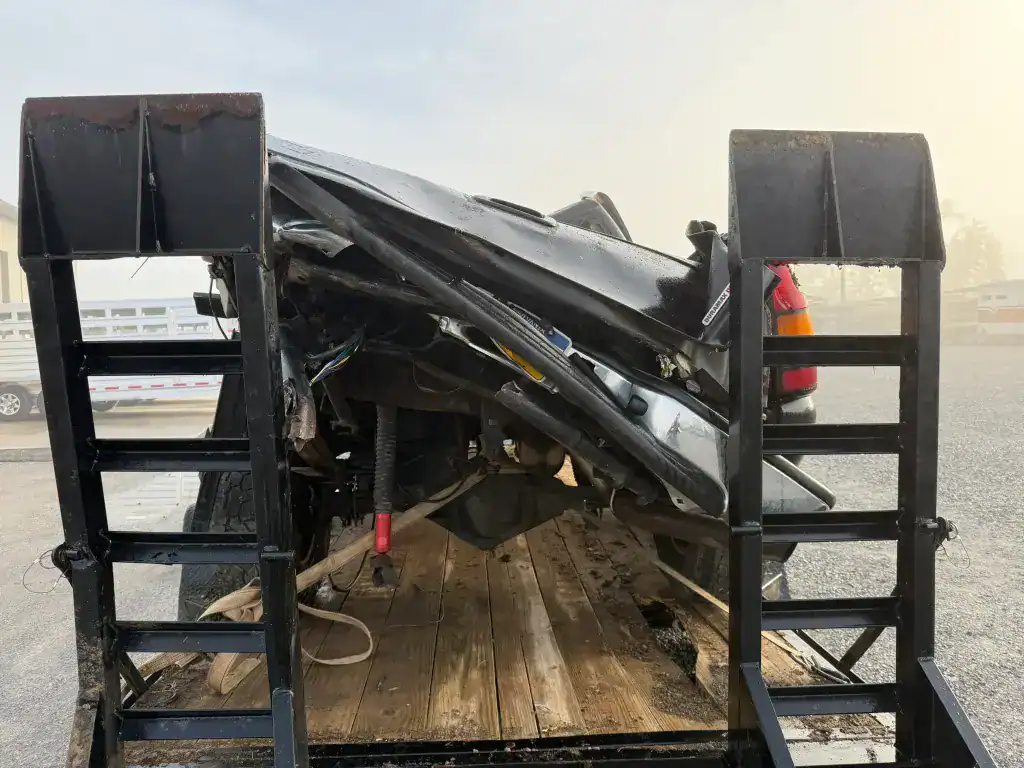
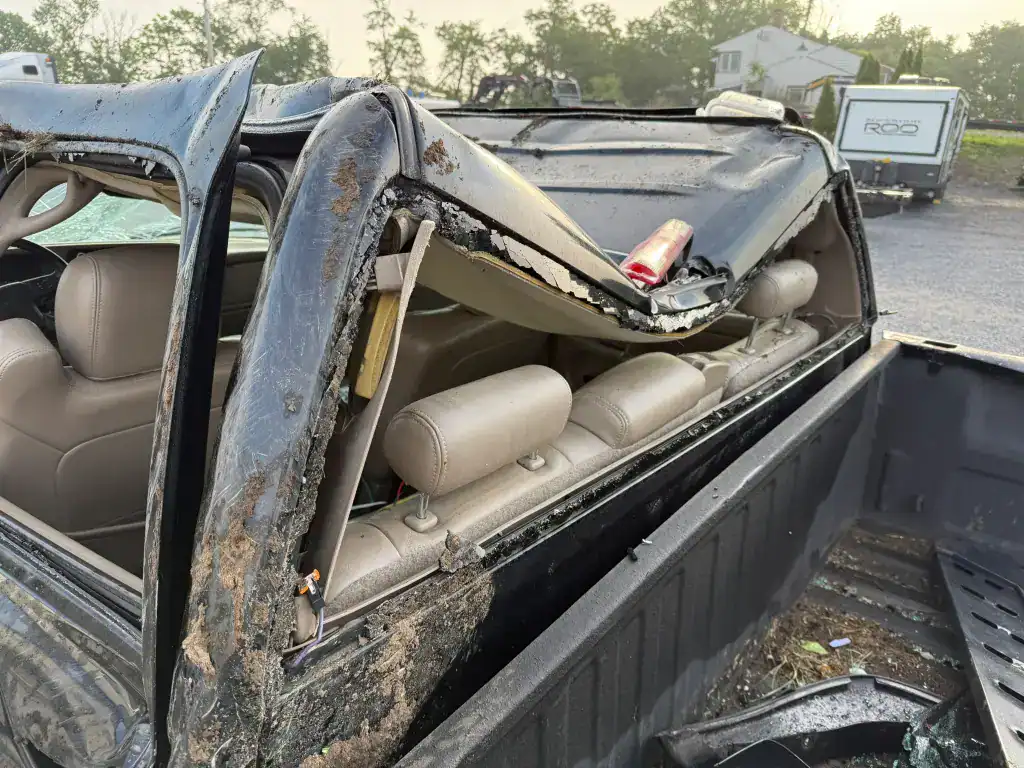
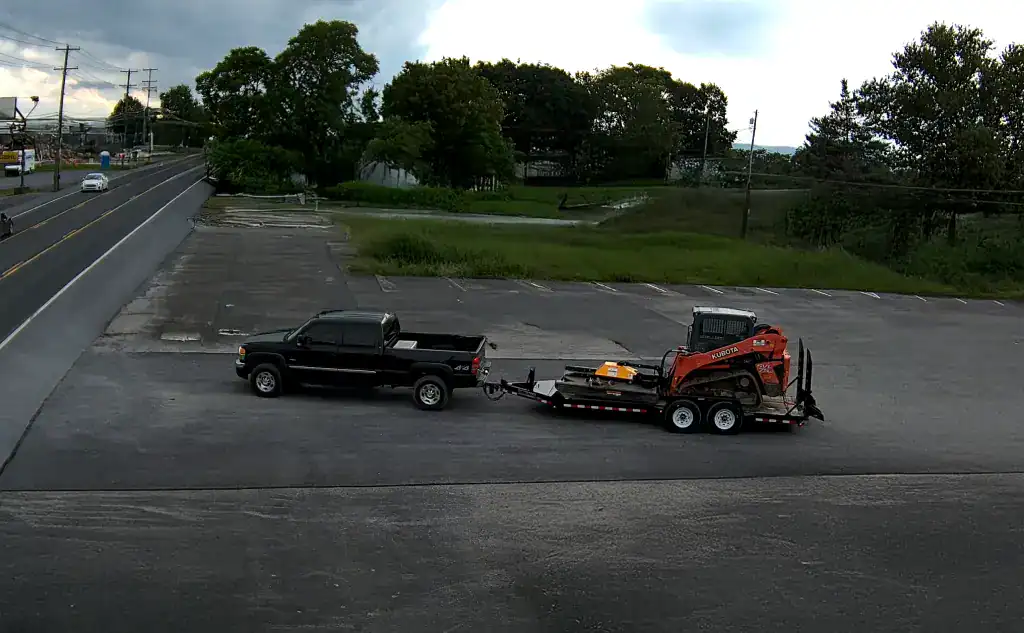
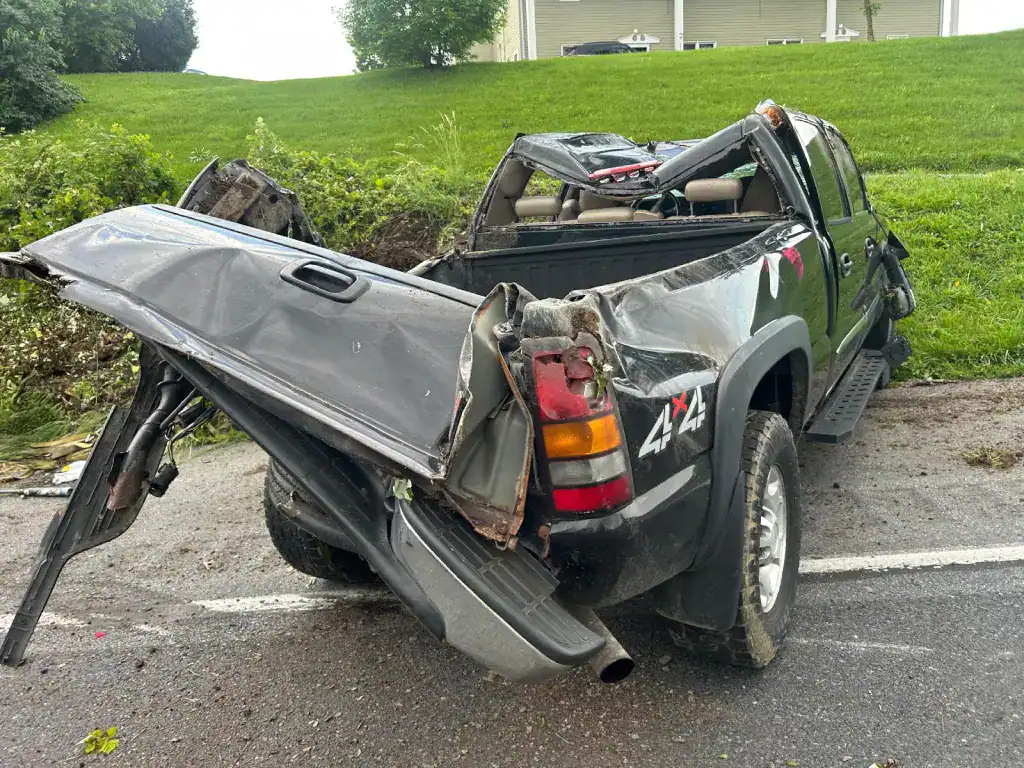


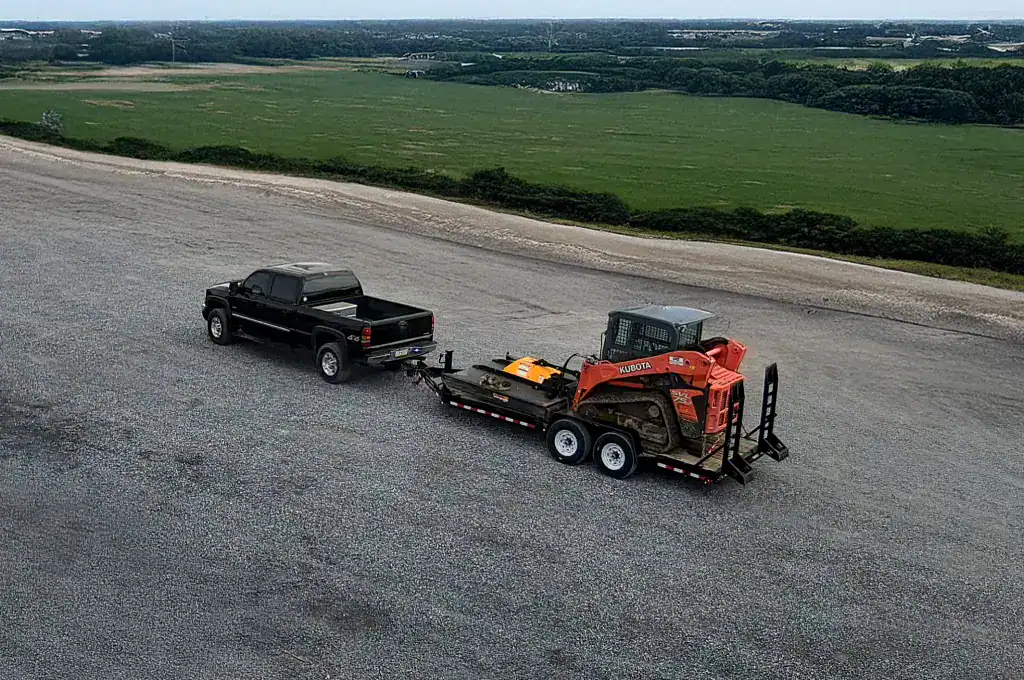
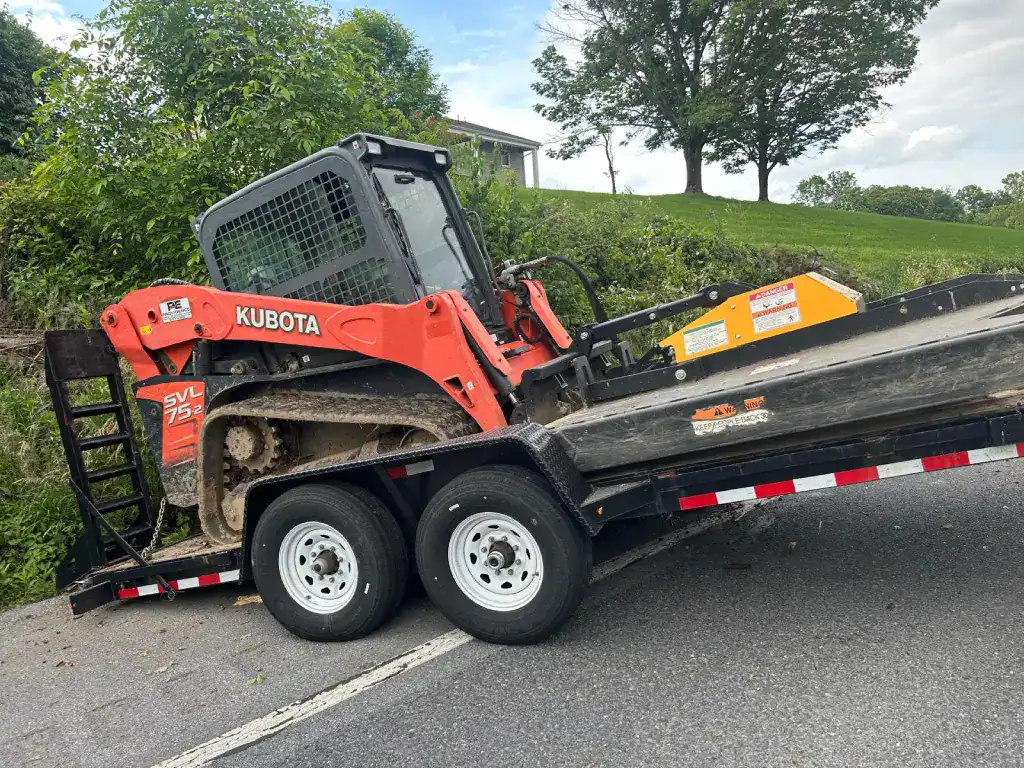

Trailer sway can be terrifying. Even experienced drivers can find themselves in a situation where the trailer whips from side to side, pulling the tow vehicle along with it. Once it starts, it’s incredibly difficult to stop without slowing down dramatically. Now imagine being on a busy highway, where it’s not always possible to slow down! Scary thought, right?
If you take nothing else from this, remember this:
Keep about 60% of the trailer’s total weight in front of the axle.
This helps maintain proper tongue weight, typically around 10 to 15 percent of the trailer’s total weight, and keeps your load balanced and stable. If too much weight is behind the axle, you’re asking for sway. If there’s too much tongue weight, you can also overload your hitch or rear suspension.
It’s not just about the placement either. Make sure the load is secured and can’t shift during transport. Even if your load starts out balanced, a shift during braking or a hard turn can throw off your weight distribution in seconds.
To help you avoid the kind of accident we saw above, here are a few trailer loading best practices:
You can also consider installing sway control equipment like a weight-distribution hitch with sway bars. These tools help reduce the chance of sway, but they don’t replace proper loading. Think of them as added protection, not a free pass to load improperly.
Even with the best intentions, it’s easy to make these mistakes:
These assumptions can be costly. As shown in the real crash photos from this case, even a solid trailer and a capable truck can lose control if the load isn’t balanced.
No one likes learning the hard way. Thankfully, in this case, no one was seriously hurt, but it could’ve been worse. Equipment was totaled. Insurance claims were filed. And worst of all, the entire thing could’ve been avoided with better load placement.
We’re sharing this not to scare anyone, but to remind you how easy it is to get comfortable and overlook the basics. Loading your trailer the right way takes a few extra minutes, but it could save your equipment, your business, or even your life.
We’ve helped hundreds of customers get the right trailer setup for their equipment and business. If you’re unsure about loading, tongue weight, or how to balance your load properly, stop by or give us a call. We’ll walk you through it and make sure you’re set up for safe towing!
If you don’t have a dedicated tongue weight scale, you can use a common bathroom scale with a sturdy support setup and a beam to distribute the weight. Some trailer supply shops or service centers also offer tongue weight checks as a courtesy.
Yes. Even if your equipment or trailer stays the same, changing the type or shape of what you’re hauling can affect how weight should be distributed. Always reassess load placement when the cargo changes.
Upgrades like shock-absorbing equalizers, sway control systems, better tires with a higher load rating, and load-leveling hitches can all help reduce bounce, sway, and driver fatigue on longer routes.
Yes. Off-road conditions often involve more bumps and unpredictable terrain, so it’s even more critical to keep the load tightly secured and evenly balanced. Lowering the overall height of the load can also help reduce tipping risks.
Definitely. If a trailer is back-heavy, it can reduce the effectiveness of surge or electric brakes. Proper weight distribution ensures that braking force is applied more evenly and helps prevent the trailer from pushing into the tow vehicle during stops.