Popular Searches:
Displaying top search terms based on the last 90 days.
Popular Searches:
Displaying top search terms based on the last 90 days.

Whether you’re a small-scale horse owner in Lancaster County or managing a working farm in the rolling hills of Centre County, hauling straw and hay efficiently is a task that demands the right equipment. Choosing the best type of trailer for hauling straw and hay isn’t just about capacity, it’s about matching your trailer to your operation’s scale, terrain, and workflow.
In Pennsylvania, where agriculture meets rugged terrain and unpredictable weather, making the right choice can save time, reduce labor, and protect your investment.
Let’s break down the options and help you find the trailer that fits your needs!
Before diving into the best trailer types for hauling straw and hay, it’s important to assess your hauling habits. Ask yourself:
These questions help narrow down your options and ensure you’re not overbuying—or under-equipping.
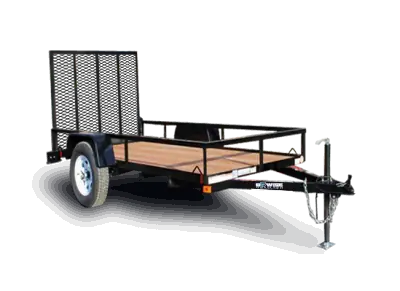
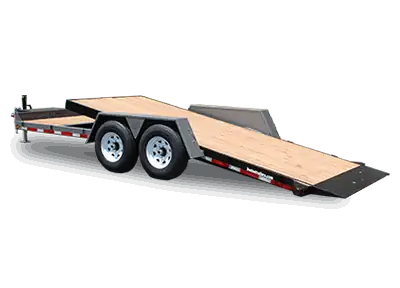
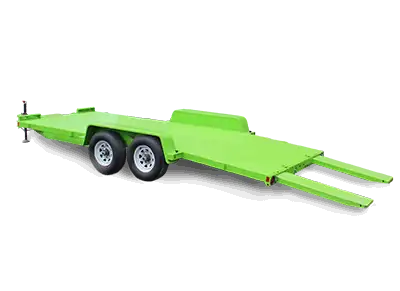
If you’re hauling straw or hay for a few horses or a small hobby farm, a standard utility trailer or bumper pull flatbed may be all you need. These trailers are easy to hitch to a pickup truck and offer enough space for a modest load of square bales.
Look for trailers with:
Pennsylvania’s winding backroads and uneven terrain can make narrow trailers risky. A wider frame helps maintain stability, especially when navigating hills or ditches common in rural areas.
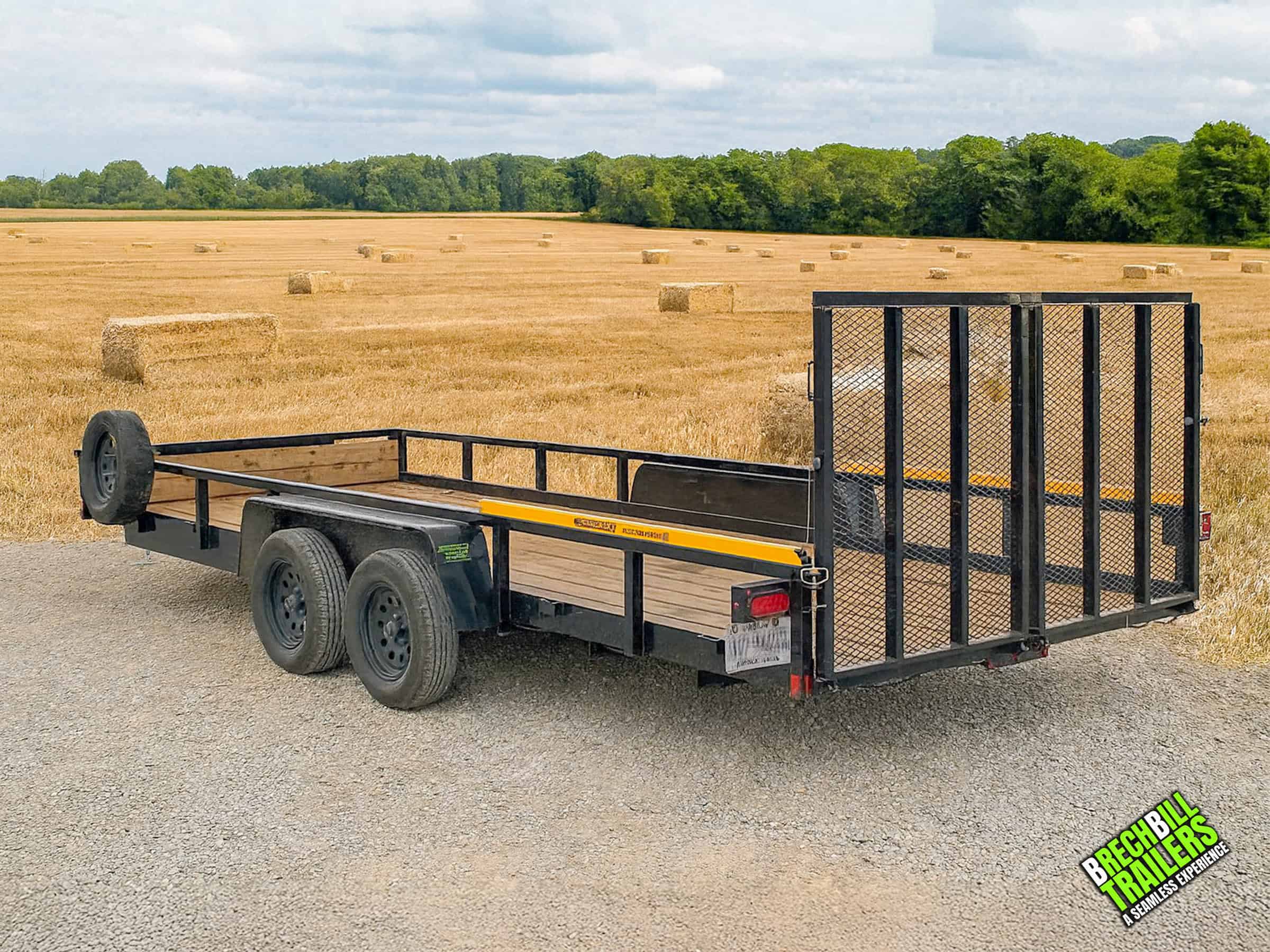
Inline self-unloading trailers are a popular choice among Pennsylvania farmers who haul straw or moderate quantities of hay. These trailers allow you to load bales from the rear using a tractor’s hayforks. Once you reach your destination, a lever system rocks and rolls the bales off the cradle using gravity.
Advantages include:
If you’re hauling 6,000 to 12,000 pounds of hay per trip, look for models with double-latch systems. These latches distribute weight more evenly and reduce wear on the trailer’s frame, which is especially important when navigating Pennsylvania’s uneven fields.
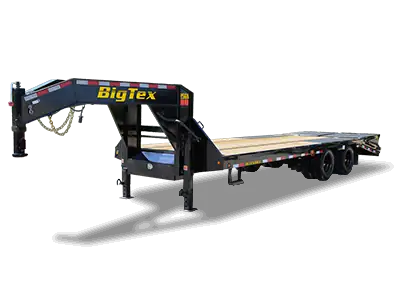
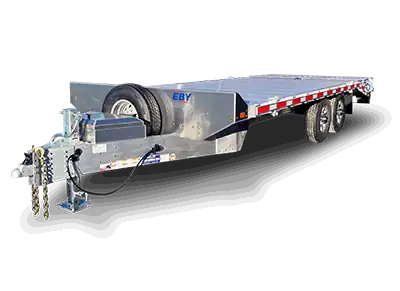
For commercial farms or contractors moving large volumes of hay or straw, gooseneck flatbed trailers are the workhorses of the industry. These trailers connect over the rear axle of your truck, offering better weight distribution and control. Gooseneck trailers are certainly ideal for hauling straw, and particularly heavy loads across long distances.
Many gooseneck trailers come equipped with hay spears, allowing you to load and unload round bales without additional equipment. This setup is particularly useful for farms in central Pennsylvania where round bales are common and labor-saving tools are essential.
Key benefits:
If you’re hauling across state lines or making frequent trips to feed stores or auctions, the gooseneck’s durability and control are worth the investment.
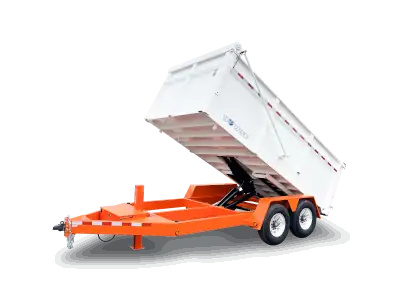
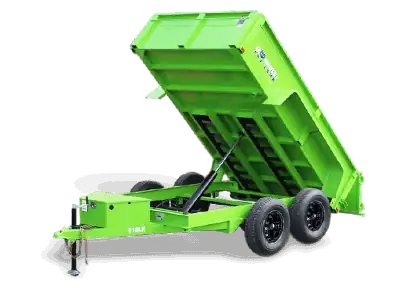
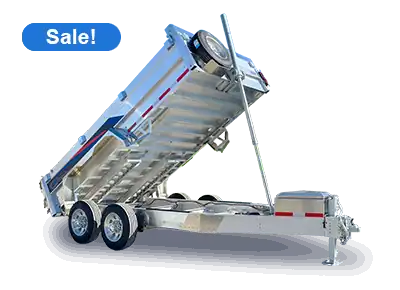
Some Pennsylvania farmers swear by hydraulic dump trailers or specialized bale movers like the 2EZ system. These trailers allow for one-person operation and remote unloading, which can drastically reduce labor costs and time spent in the field.
While these systems come at a higher price point, they’re ideal for operations where efficiency is paramount. If you’re managing multiple fields or feeding livestock across several properties, the convenience may justify the cost.
Pennsylvania’s climate and terrain play a big role in trailer selection. Wet fields, steep grades, and narrow farm lanes require trailers with solid traction and wide frames. Anti-corrosion coatings and weather-resistant materials are also worth considering, especially in areas prone to heavy snowfall or spring mud.
Additionally, local regulations may affect trailer size and weight limits. Be sure to check with PennDOT if you’re planning to haul on public roads.
Choosing the best type of trailer for hauling straw and hay in Pennsylvania comes down to understanding your operation’s scale and workflow. From utility trailers for small loads to gooseneck flatbeds for commercial hauling, each option offers unique advantages.
If you’re unsure which trailer fits your needs, we’re here to help. Our team understands the demands of Pennsylvania agriculture and can guide you toward a solution that works for your land, your livestock, and your budget.